The Reliability Challenge in Analytical Testing
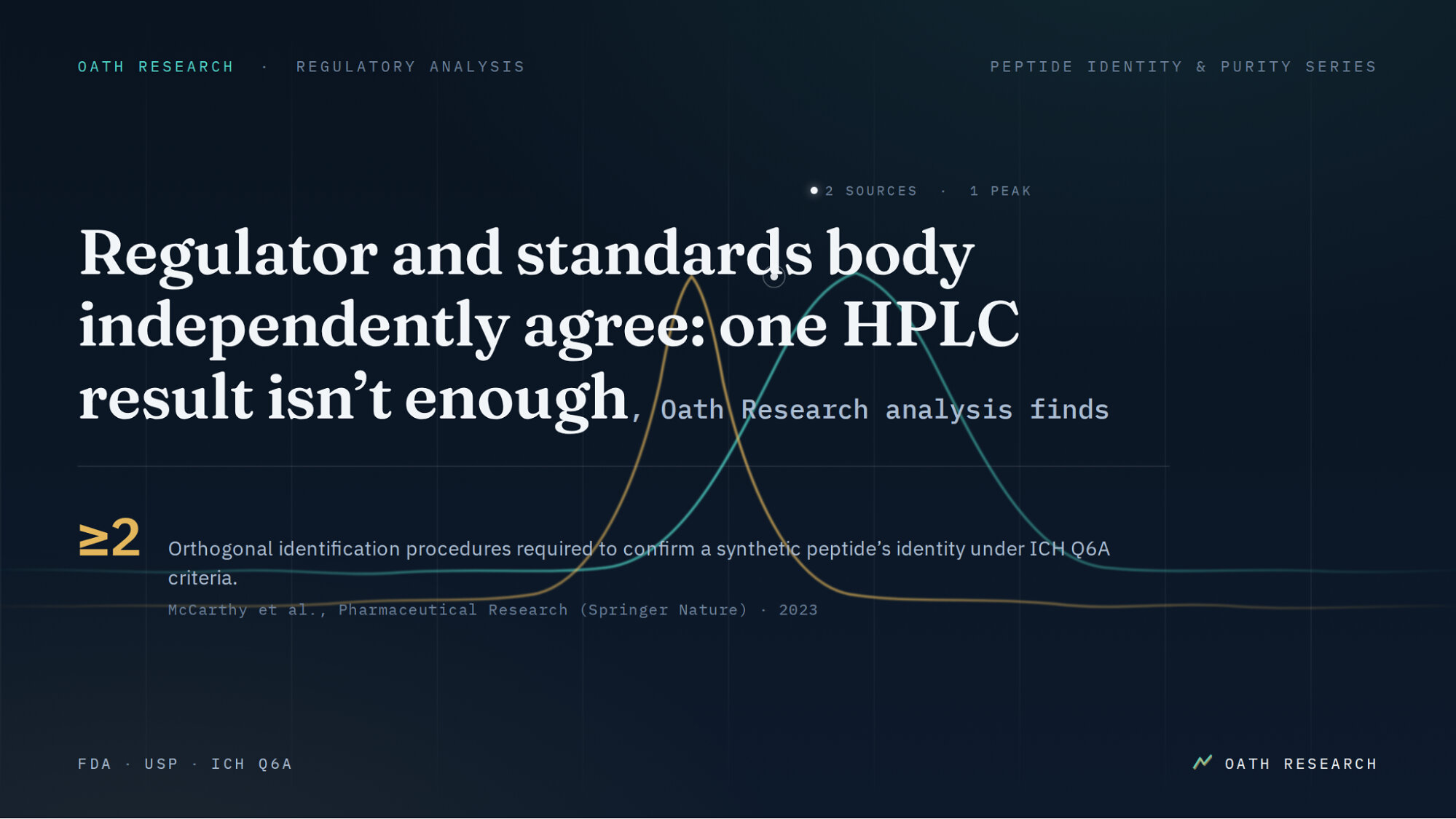
For laboratories and regulatory bodies alike, accuracy is the cornerstone of trust. A recent analysis conducted by Oath Research has shed light on a critical consensus: relying on a single High-Performance Liquid Chromatography (HPLC) result is no longer sufficient to meet rigorous quality standards.
The Regulatory Consensus
The study highlights a significant shift in how industry watchdogs view analytical testing. Both an independent regulator and a major standards body have aligned on the position that single-point testing is inadequate for ensuring the precision and reliability of results. This unified stance emphasizes the need for more robust validation processes in high-stakes environments.
Why Multiple Tests Matter
The push for moving beyond single HPLC results stems from the necessity to eliminate variables and human error. According to the findings, the primary reasons for this industry-wide shift include:
- Risk Mitigation: Reducing the probability of false negatives or positives that could impact public health or product compliance.
- Data Integrity: Ensuring that results are reproducible and statistically sound.
- Regulatory Compliance: Adhering to updated guidelines that prioritize thorough verification over expediency.
- Operational Quality: Raising the bar for internal laboratory benchmarks.
Looking Ahead
As the landscape of quality assurance continues to evolve, organizations are being urged to integrate multi-layered verification protocols into their standard operating procedures. By moving away from the “one-and-done” approach, the industry is paving the way for safer, more reliable analytical reporting that stands up to the highest levels of scrutiny.
Source: Read More